
Ross County Recent Arrest Channels
No single daily list collects every new Ross County arrest. Booking activity lands in separate custody tools instead. The official Miami Valley Jails roster answers one question: who is in the Ross County Jail right now. The sheriff-linked Zuercher inmate portal adds arrest dates, holding agencies, release fields, and space for booking photos. Neither is a court record. Both track custody only. Delays are normal while transport, medical screening, classification, and data entry run their course.
For other angles, two pages help. Turn to 24 Hour Arrests when timing matters most. The Arrest Log suits multi-day comparisons, sheriff activity reports, and local news coverage. A released person drops off the current roster, though the booking record can still be requested. A prison transfer belongs in the Ohio corrections search.
| Window | Best source | What it establishes |
|---|---|---|
| Same day | Official roster and Zuercher portal | Current custody after intake posts |
| Several days | Roster checks, requested jail activity log, local reports | A broader activity trail, not one complete official archive |
| After release | RCSO records request and court docket | Booking history and later case action |
| After prison transfer | ODRC Offender Search | State custody or supervision |
Ross County publishes no complete 24-hour feed and no permanent multi-day blotter. That gap shapes how you search. The live roster shows who is still held. A request for the Daily Jail Activity Log preserves arrests that slipped off the screen. News coverage brings its own mismatch. Reporters describe calls and stops that never ended in booking. And many arrests never make the news.
Arrested Last Night in Ross County
Begin a last-night arrest check with the two sheriff-approved interfaces. Search by last name, then first. Remember the roster refresh and the lag between arrest and completed booking. No match on either tool? Call the Ross County Jail at 740-773-1187 for current custody details. The jail confirms present status on the spot. For the historical fact of an arrest, a formal records request works better.
Timing claims deserve caution. The roster updates every 30 minutes, but the county promises no link between a street arrest and that window. Releases and transfers change what appears too. Register with the VINELink Check for alerts on later custody changes involving a known person. It does not replace the court docket.
Weekends and court schedules complicate timing further. The county promises no weekend cycle or midnight cutoff. Someone booked late at night may still be in intake during your first search. Another person gets released before you look again. Write down the time and the interface you used. That detail lets a follow-up call describe the gap accurately. One empty search result settles nothing about whether an arrest happened.
Search the Ross County Jail Roster
The Miami Valley roster labels its facility ROSS-JAIL ROSS COUNTY JAIL. Controls cover last name, first name, and alphabetical browsing. The page covers people currently in custody only. It warns that it holds nothing on inmates in other jails. Zuercher takes a broader approach. Its table can display a booking photo. Name, date of birth, sex, cell block, arrest date, held-for agency, and release date may appear too. In practice, a field may be hidden. A result can be missing. An access check may also stand in the way.
The official Ross roster source shows the search controls and provider context on its page. It is a current-custody entry point, not a booking archive.
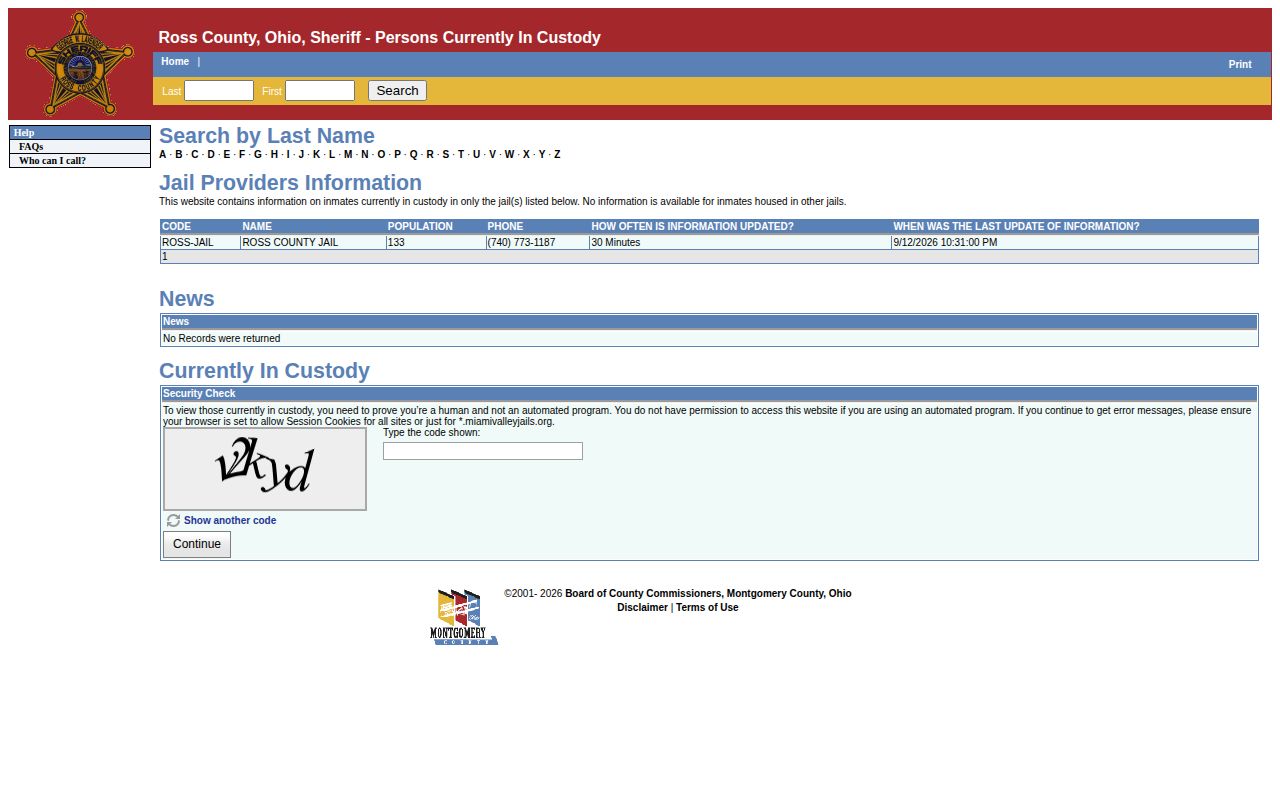
Use the search fields, then verify a match by phone.
| Field | Use | Limit |
|---|---|---|
| Last and first name | Find a current entry | Spelling and aliases may differ |
| Arrest date | Place the intake in time | May differ from booking time |
| Held-for agency | Identify the agency associated with custody | May not be the arresting agency |
| Release date | Indicate departure from this jail | Does not prove release from every hold |
| Mugshot column | Shows a photo where enabled | Availability varies in the live view |
Run a tight sequence. Enter the surname and given name, compare identifying details, and note the access time. Check the second official interface if a result is missing. Call the jail when custody needs a fast answer. Ross County lists no dedicated sheriff booking app. The official Facebook account and the WENS emergency system serve other purposes. Neither works as a complete arrest feed. Expect the two tools to disagree at times.
One interface may sit behind an access check while the other loads, and a photo column can exist even when a row shows no image. A mismatch does not mean anyone deleted a record. It shows why custody state, query time, and interface all matter. Housed outside Ross County? The holding agency or receiving jail is the correct source.
Where Ross County Arrests Appear
Start with the official trail. For live custody questions, the jail roster comes first. Zuercher gives the county a second public-safety interface to check. Need a copy of a record? That request goes to the records custodian, while the courts reveal what happened after booking. The Annie Rooney Media Center and the sheriff news archive share selected agency updates. They do not function as day-to-day booking feeds. Newspapers round out the picture only selectively, since no outlet covers every Ross County arrest.
| Channel | Status | Photo treatment | Best use |
|---|---|---|---|
| Miami Valley roster | Official current custody | No photo field observed in text view | Who is held now |
| Zuercher portal | Sheriff-linked official portal | Photo-capable public template | Live inmate and warrant checks |
| RCSO records | Official custodian | Ask for the photo as a separate record | Historical or complete copy |
| Guardian, Scioto Post, Gazette | Independent news | Varies by story | Incident and multi-day context |
| Busted Newspaper, RecentlyBooked, Mugshots.com, Mugshots.zone | Unofficial mirrors | May retain copied images | Lead only, then verify officially |
Aggregator sites that collect Ross County arrest data come with real limits. A listing can be old. Names, charges, and photographs may not match live custody or the final case. Some pages drop the arresting agency entirely. The same person can appear more than once. Use them as leads only. Work through the court and source-correction routes rather than paying a publisher to fix a record.
Local news fills a different gap. The Scioto Valley Guardian runs dated sheriff daily-log coverage with case numbers, times, and locations. That makes it the strongest multi-day example. Scioto Post leans toward selected event-driven arrest stories. The Chillicothe Gazette covers broader local reporting and keeps an archive route. None of these formats answers the same question as the jail roster, though. A daily incident log can include calls where nobody was arrested. A news article may skip routine bookings entirely. Before relying on any report, check it against the official roster, the RCSO record, and the court docket.
Recent Arrests by City
A place name alone will not tell you who made the arrest. Chillicothe Police can take someone into custody. Adults still get housed through the Ross County Sheriff's jail system. Kingston and Frankfort contract with the sheriff for police protection. Neither village publishes an independent public arrest log. Each local page follows the correct route rather than inventing a municipal feed.
- Chillicothe Recent Arrests covers CPD records, county booking, bond questions, and city news.
- Kingston Recent Arrests explains contracted sheriff policing and the county roster path.
- Frankfort Recent Arrests follows village incidents into RCSO custody and records.
The official Kingston village site shows why city information and jail booking data stay separate. Countywide sources still hold the custody record you need.
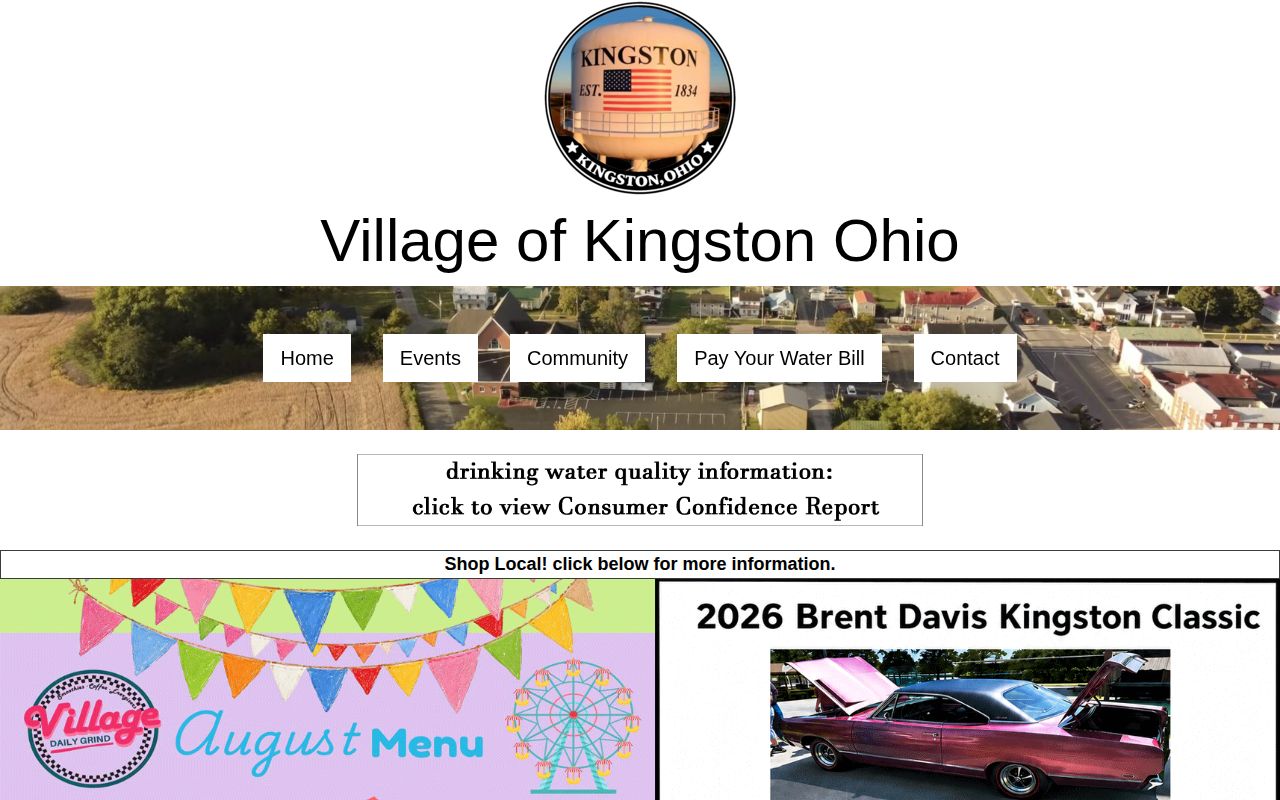
Chillicothe is the county seat. It also has the only independent municipal police department among the three mapped places. Its Communications and Records office keeps city-created police material, while adults taken to jail enter the RCSO booking system instead. Kingston and Frankfort are incorporated villages, and their audited records show sheriff contract policing. Village websites can confirm municipal contacts there. Neither one publishes a complete arrest log. So the record type decides where a request goes. City incident records belong to CPD when applicable, jail booking files go to RCSO, and final case action sits with the court.
Read a Ross County Arrest Record
A Ross County arrest record captures the moment someone enters custody. Expect a name and a booking number. Around those basics, the entry may hold aliases, arrest and intake times, the holding agency, booked charges, bond, a court number, housing status, release data, and a photograph. One screen rarely shows it all. Ohio law lets agencies withhold medical details, victim information, juvenile material, confidential sources, and parts of an active investigation.
| Record field | What to verify |
|---|---|
| Booking number | The exact jail event, especially when names match |
| Arrest and intake times | Which event each timestamp describes |
| Charges as booked | Initial charges |
| Bond | The current amount and type, subject to court change |
| Court or case number | The link to later docket activity |
| Release status | Departure from the Ross jail and any remaining hold |
Ask for the photo on its own if that image matters. Its absence from a public screen proves nothing. The sheriff may still hold a matching booking photo. Give the custodian a full name, a rough date, and the agency. Add any case or booking number you know. Precise terms lead straight to the right arrest record. They also keep unrelated personal data out of the reply.
One name can carry several custody states over time. "Just booked" means intake has happened or is underway. "In custody" means the roster shows the person held at that moment. "Released" covers anyone who left that jail. That can happen by bond, court order, finished sentence, or transfer. "Sentenced to state prison" points the useful search toward ODRC. A federal hold may call for a federal locator instead. Name the event, not just the person.
The "held-for agency" field takes care too. It names an agency tied to the confinement. It does not prove which officer made the arrest. Nor does it show which court will resolve every count. One person can hold several cases at once, across jurisdictions too. Match the booking number, dates, and court number first. Do this before merging records that share a similar name. Housing or cell block details can shift or vanish from public view for operational safety. That does not change the underlying arrest record.
Ross County Arrest Photos
Photos are a mixed bag in Ross County. The Miami Valley current-custody page shows no photograph field. The sheriff's Zuercher template includes a mugshot column. Even so, the live portal can hide that field or display an access state. So "all mugshots are online" is not accurate. A booking image can exist as a sheriff record even when one interface will not show it. The official Zuercher inmate source is where to test current photo display.
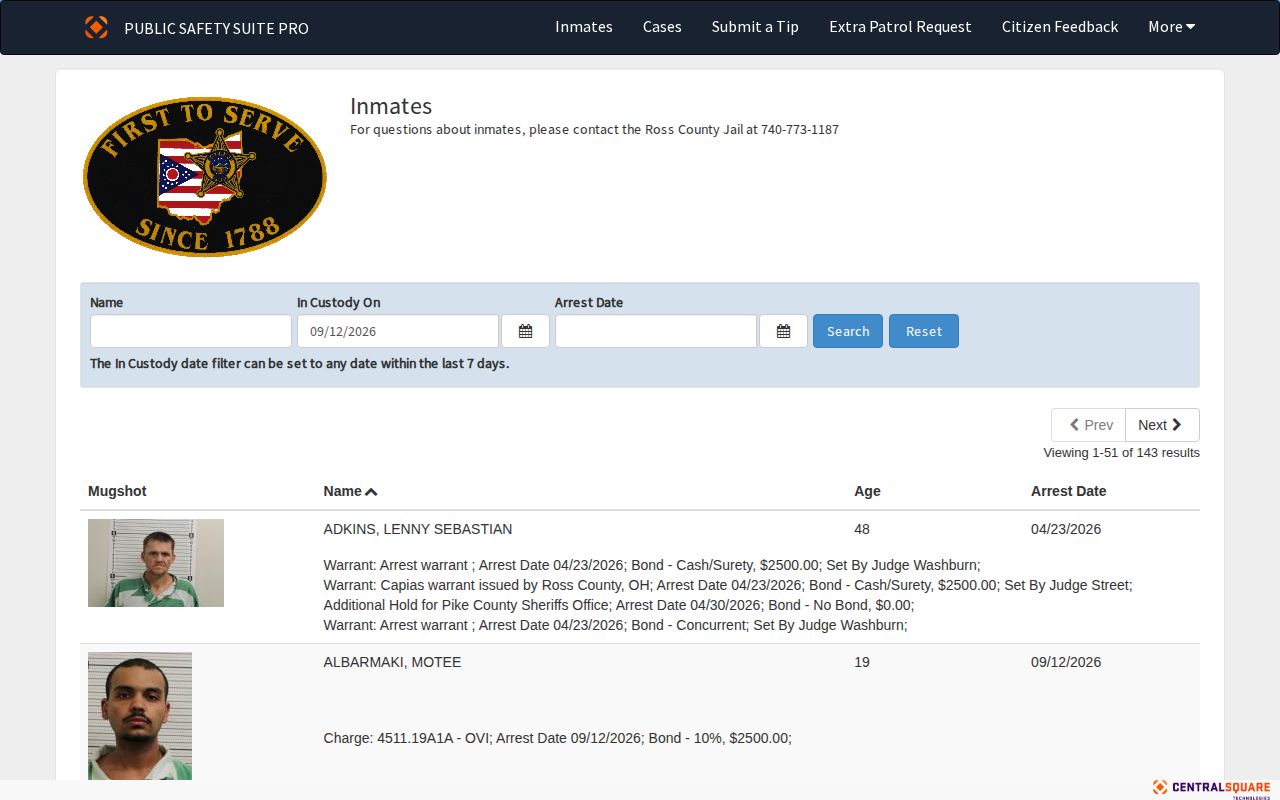
Not every booking comes with a public photo. Ohio treats the booking image as a record held by a custodian. What you see depends on what the law lets the office release. A person serving an Ohio prison sentence appears in the ODRC Offender Search. That search may include a state corrections image. That picture is not the county booking photo. It does not cover anyone merely arrested and held locally. Third-party photo pages can also linger online long after custody or charges change.
Ross County keeps some arrest material out of view. Ohio public-record law still lets a custodian redact exempt information or withhold a protected record. Juvenile cases sit outside the adult roster. Young people arrested in Ross County may move into the juvenile system. They may stay off the jail's booking list. Housing details, medical facts, victim names, and confidential investigative files get different treatment as well. Ask for just the booking record you need. If part is closed, request a redacted version. That keeps the request moving and within what the sheriff may legally release.
Request Ross County Arrest Records
The Ross County Sheriff holds the booking files. That office is the custodian of its own jail booking record and photograph. Its public-records policy spells out the route. Walk-in requests work during regular business hours, and after hours the policy points to an online option. Deputy Kylie Wampler handles civil and records matters at extension 168; start with 740-773-1186. Ohio law never demands a reason. It does not require writing either, though a written description of the arrest record can cut down confusion.
- Identify the full name, approximate arrest or booking date, agency, and known record number.
- Ask specifically for the booking record, booking photograph, and J-4 day-end jail report if each is needed.
- Choose inspection or copies and ask for an estimate before copies are made.
- If information is withheld, request the legal basis and a redacted copy of any releasable part.
- Use the court docket to confirm the filed charges and disposition.
Costs depend on which office you ask. The sheriff may charge actual copy and delivery costs. Its policy has special language for video copies but lists no booking-photo fee. The clerk keeps a separate schedule of five cents for regular copies and two dollars for certified ones. Don't carry that schedule over to a sheriff photo request. Ohio sets no fixed response window. Inspecting a record first can save money.
The sheriff's policy keeps records organized so they can be reviewed during regular business hours, subject to redaction. Broad requests take longer to sort. A narrow date range plus a booking number speeds things up. One more wrinkle matters. When another agency made the arrest but the sheriff did the booking, the incident report sits with the arresting office while RCSO holds the jail booking file. Ask each office for the record it created.
Ohio Arrest Records and Removal Law
Ohio's records law starts with a simple rule. Ohio Revised Code 149.43 opens most government records to the public while preserving exemptions. It does not force every jail field into the open. Investigative details can stay closed. Ross County's own retention schedule shows the balance. Daily Jail Activity Logs and day-end reports sit in the J-4 series for three years when no action is pending. J-5 orders destruction after an expungement order arrives. Neither rule promises a live roster entry or booking image stays online that long.
Payment for removal is its own legal territory. The anti-pay-to-remove law bars soliciting or accepting money to remove, correct, or withhold specified criminal-record information. It does not order every publisher to erase accurate records. Sealing and expungement run through Revised Code Chapter 2953. Start at the issuing court. Once the order is in hand, deliver it to the source agency and any publisher holding a copy.
Mugshots.com describes a free court-document update process. Other mirrors show no clear Ross-specific free route. Use the no-cost correction tools that exist, keep copies of the court order and every request, skip paid-removal solicitations, and remember that search-engine de-indexing is separate from fixing the source page itself.
A deleted webpage is not the same as a sealed record. Erasure takes two tracks. A publisher may correct a page after receiving a dismissal or sealing order, while the court and government systems finish their own formal processing. Search engines lag too. Keep the final court order. Submit it through the source's published free route, then follow up with any agency whose copy still looks wrong. Ohio Supreme Court and BCI materials explain post-order reporting. Neither treats a paid reputation service as an official remedy.
Ross County Arrest Warrants
Warrants in Ross County start online. The Zuercher warrant portal linked from the sheriff is the official search point. The sheriff lists no standalone most-wanted page. Chillicothe Police will not discuss warrants by phone; you must appear in person with identification. A warrant can be served, recalled, or changed, so confirm through the issuing court, an attorney, or the responsible agency. The official warrant screen shows that public search tool.
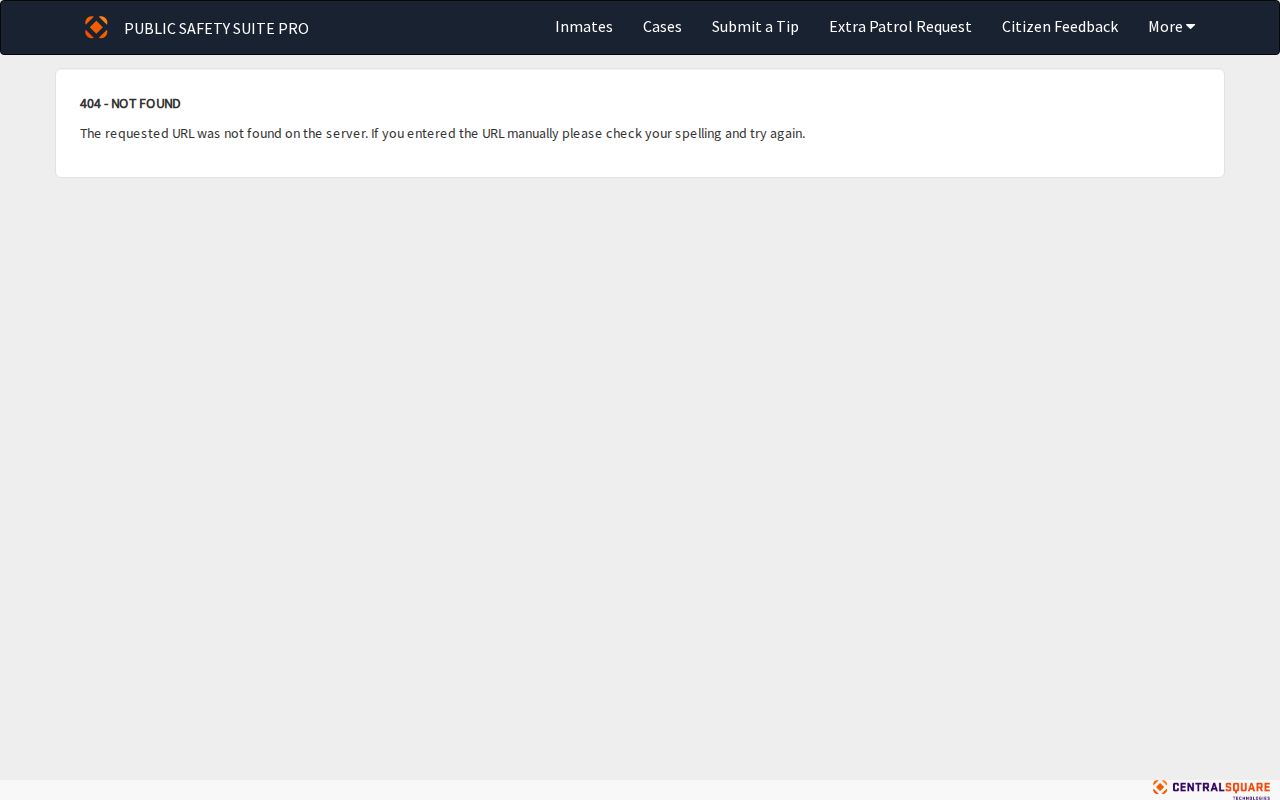
A blank screen proves nothing. Ross County's portal can go down without any change to your legal situation. Local reporting from 2021 described a mugshot website outage. The sheriff expected repairs. That story is history, not today's status. Still, the lesson holds. Note the time of a failed warrant search, try the alternate sheriff-linked interface, and use the records process if the information must be preserved. A broken page cannot erase a booking or recall a warrant.
Anyone working through a possible warrant should get legal advice or court instructions. Dodging contact helps no one. Never approach a person you believe is wanted. Call 911 for an immediate threat. The sheriff's non-emergency line handles routine safety questions, and tips can go through the locally referenced P3Tips channel.
A warrant authorizes an arrest on court authority. A bench warrant usually grows out of a court proceeding, such as a missed appearance. Both need current official confirmation. The online portal works for a public check, yet an outage, a delayed update, or a name mismatch can hide a result. CPD's no-phone policy means the city and sheriff procedures are not interchangeable either. A lawyer can speak with the issuing court and explain a safe resolution. Tips about another person belong with law enforcement, never with public comments or social posts.
After a Ross County Arrest
Booking comes first. After it, the arrested person faces a first appearance, sometimes called an arraignment. The court takes up the filed charge and sets conditions for release there. Bond is one of those conditions. The number can shift after the jail roster first posts it, so treat any listed figure as provisional. CPD routes adult-prisoner and bond questions to the jail line, though the court itself holds the current order. Ross County also runs remote video court for both Common Pleas and Chillicothe Municipal Court. That means a jail entry, a video appearance, and a docket update can land in three systems on three different days.
Follow the case through the Ross County Clerk eAccess docket. Felonies travel through Common Pleas. Chillicothe Municipal Court handles matters within its own jurisdiction. Computerized clerk records reach back to November 1989. A disposition, the final case outcome, might be a dismissal, a plea, diversion, or a sentence. That result carries far more legal weight than the booking entry that started the file.
- Booking
- Jail intake after custody begins.
- Arraignment
- The court appearance addressing charges and release terms.
- Disposition
- The recorded outcome of the case.
- Detainer
- A request by another authority to continue holding a person.
A roster release date is never the last word on a case. Hearings may continue. Conditions can stay active. Another agency may hold the person. The court number links the jail entry to the docket. The filed charge can differ from the booking wording. Video court cuts prisoner transport, so a hearing can happen without the movement a family member expects. Confirm dates with the court itself. A jail screen is not a calendar, and local news is not a disposition.
Beyond Ross County Jail
County custody is one stage of many. The Ohio Department of Rehabilitation and Correction search covers people sentenced to state prison and certain state supervision. Its fields can include name, ODRC number, status, institution, admission and release information, offenses, and an offender image. Skip it for a fresh Ross County arrest, though. A newly booked county prisoner is not a state prisoner yet.
The federal Bureau of Prisons locator covers people in BOP custody and posts no inmate photographs. ICE runs a separate detainee locator. U.S. Marshals records questions may require that agency's federal request process. Ohio VINE replaces none of these federal tools. An empty county roster result deserves a second look. Was the person released, moved to another Ohio jail, sentenced into ODRC, or transferred into federal custody? The arrest record did not vanish on its own.
ODRC searches work best with an offender number. Common names can return several results. The public profile may list an institution, supervision status, admission, expected release information, and offense history. Those fields describe the state corrections record. They change over time. Sentences, parole decisions, and transfers all update the file. Someone held before trial in Ross County stays on the jail and local court lists. Federal pretrial detention under another custodian may not appear in the BOP locator, so the relevant agency or court may be the only answer.
Ross Arrest Logs After Three Years
Old Ross County arrest records follow a different path from the live roster. The RCSO retention schedule is the map. J-4 daily jail activity logs sit for three years when no action is pending. Inactive or deceased inmate files under J-8 stay permanently. Other jail series carry their own clocks. An old record missing from the shelf is not necessarily gone. Ask which approved RC-2 series governed it and whether an RC-3 transfer or disposal record exists. The Ohio History Connection Local Government Records Program can walk you through those forms, but its suggested schedules never override the schedule Ross County actually approved.
Court files take a separate route through the clerk. Historical newspapers and the Ross County Historical Society's McKell Library add color and context. Neither one settles present custody. Neither settles how a charge ended either. The sheriff's history page traces the office to 1798 and pictures former jail buildings. Treat those old images as history, not as booking photographs of people arrested today.
Chasing one older arrest takes a checklist. Start with the name, a date range, the agency, and a case number. Request the booking record and the J-4 report next. Then ask RCSO which retention series applies. Finally, lay the answer beside the court docket. That sequence keeps a jail event, a news story, and a court record from blurring into one another.
Precision matters when naming a record. Headcounts under J-6 last two years. Inmate money records under J-10 remain three years after audit. Visitation records under J-13 hold for one year, and warrants to convey or remove under J-14 last two. Inactive or deceased inmate files carry the permanent designation instead. No single series is a stand-alone rule for booking photographs. So ask RCSO which series holds the image and whether it lives electronically, on paper, or through a vendor. If the record appears nowhere on the list, Ohio guidance forbids assuming it can simply be destroyed. The local records commission and the state review process approve schedules and disposal.
A court file often outlasts the public roster. When eAccess comes up empty, the clerk can reach older, offline, sealed, or certified records. Newspapers and historical collections may pin down a date or event, yet their stories are selective and often stop at the initial charge. Weigh every account against the docket. Then request the original booking material from the sheriff. If a court has issued an expungement order, hand that order to each official custodian holding a copy before turning to unofficial publishers.